
black and gold bathroom mirror
Metric Trapezoidal Thread Texnika və Tətbiqləri Metric trapezoidal thread, mühəndislik və istehsal sahələrində geniş istifadə olunan bir ip mühitidir. Bu ip, tapşırıqların spesifik tələblərinə uyğun olaraq tərtib edilmişdir və müxtəlif sahələrdə vacib rol oynayır, xüsusən də mexanizmdəki hərəkətləri və fəaliyyəti dəstəkləmək üçün. Metric trapezoidal thread-in əsas xüsusiyyətlərindən biri, onun profillərinin trapezoidal formasının olmasıdır. Bu forma, ipin daha yüksək yük daşıma qabiliyyəti və daha az sürtünmə ilə birgə istehsal edilməsini təmin edir. Beləliklə, trapezoidal ip, tork və qüvvət tətbiq edildiyi hallarda daha effektiv olur. Bu ip forması, adətən, mexaniki sistemlərdə, xüsusən də qaldırıcı cihazlarda, mexaniki qaldırma sistemlərində və dəqiq hərəkət sistemlərində geniş şəkildə istifadə olunur. Məsələn, avtomatik qaldırıcılar və CNC maşınları bu ip növünü istifadə edərək dəqiq və etibarlı hərəkətlər həyata keçirə bilirlər. Bu sistemlərdə trapezoidal ip, yükləri effektiv şəkildə ötürərək mükəmməl və stabillik təmin edir. metric trapezoidal thread Metric trapezoidal thread-in istehsalında istifadə olunan materiallar və istehsal prosesi çox önəmlidir. Ümumiyyətlə, yüksək keyfiyyətli polad və ya xüsusi metal ərintiləri istifadə olunur. Bu, ipin uzunömürlülüyünü və dayanıqlılığını təmin edir. Eləcə də, düzgün ölçülər və profil formasının dəqiqliklə istehsalı, sistemlərin effektivliyini artırır. Trapezoidal iplərin ölçüləri, tipik olaraq, geniş miqyasda bəyannamələrə uyğun olaraq standartlaşdırılır ki, bu da onların müxtəlif istehsalçıların məhsulları ilə uyğunluğunu təmin edir. Bu standartlar, müştərilərin spesifik tələblərinə uyğun müxtəlif ölçü və profillərdə istehsala imkan tanıyır. Trapezoidal iplərin tətbiqi sahələri çox genişdir. Onlar yalnız sənaye avadanlıqlarında deyil, həm də gündəlik həyatda rast gəlinir, məsələn, mexaniki vitrinlər, lift sistemləri və hətta bəzi avtomobil hissələrində . Bu şəkildə, metric trapezoidal thread bütün dünyada müxtəlif sahələrdə mühüm xidmət göstərərək, texnika dairəsində inkişafa xidmət edir. Nəhayət, metric trapezoidal thread-in mühəndislik və istehsal sahələrindəki rolu, onun keyfiyyəti, etibarlılığı və əla dayaqlama xüsusiyyətləri ilə önəmlidir. Yaxın gələcəkdə bu ip növü, texnologiyanın inkişafı ilə birgə daha da irəliləyəcək və müxtəlif yeni tətbiqlərdə öz yerini alacaq. Ingeniçilər və mütəxəssislər, onun üstünlüklərindən istifadə edərək, daha innovativ və effektiv həllər təqdim edə biləcəklər.
about
black and gold bathroom mirror
Precision granite stone blocks are essential in etymology, manufacturing, and quality control due to their exceptional flatness, thermal stability, and wear resistance. From quarrying raw stone to final calibration, producing flat granite blocks and large granite blocks requires specialized techniques. This article explores the manufacturing process, quality standards, and applications of these critical measurement tools, including their use with welding inspection rulers and marble stone boxes . Quarrying and Selecting Raw Granite Stone Blocks The journey of granite stone blocks begins at the quarry, where high-quality granite deposits are identified and extracted. The most commonly used granite for precision tools is Jinan blue stone, known for its: Uniform grain structure – Ensures consistent hardness and minimal internal stress Low thermal expansion – Maintains dimensional stability in varying temperatures High density – Provides excellent wear resistance and durability Large blocks are cut using diamond wire saws or hydraulic hairsplitter to minimize fractures. Only defect-free sections are selected for further processing into flat granite block or large granite blocks for industrial use.These blocks undergo rigorous quality control checks to ensure they meet the required standards for precision tools and industrial applications. Once verified, they are transported to processing units where they are shaped and polished according to specific customer requirements. The precision in cutting and polishing is crucial to maintain the inherent properties of granite, such as its hardness, durability, and resistance to wear and thermal expansion. From here, the granite stone blocks are ready to be utilized in the creation of high-quality tools and components for various industries.Further processing may involve techniques like flame cutting or water jet cutting to achieve intricate designs and dimensions. The finished granite stone blocks are then packaged carefully to prevent damage during transportation and storage. They are often accompanied by certification of quality and compliance with industry standards, assuring customers of their reliability and suitability for intended uses. Whether for construction, monumental purposes, or as raw material for precision tools, the journey of granite stone blocks from quarry to final application is a testament to their resilience and versatility.Many manufacturers and suppliers take pride in their sustainable practices, ensuring that the extraction and processing of granite stone blocks minimize environmental impact. This may include the use of eco-friendly cutting and polishing methods, recycling of water used in processing, and the restoration of quarry sites after extraction.In addition to their physical attributes, granite stone blocks are also valued for their aesthetic appeal. The natural beauty and unique patterns of granite make it a popular choice for architectural and decorative applications. From kitchen countertops to floor tiles, the elegance and durability of granite add a touch of sophistication to any setting.As the demand for granite stone blocks continues to grow, innovations in extraction, processing, and transportation techniques are driving efficiency and sustainability in the industry. With advancements in technology and a commitment to environmental stewardship, the journey of granite stone blocks from nature to human creation promises to remain a vital and enduring one. Cutting and Shaping the Granite Stone Blocks Once quarried, the raw granite undergoes precision cutting and shaping: Primary Cutting – Gang saws or block cutters slice the stone into slabs of required thickness (typically 100mm to 300mm for large granite blocks ). CNC Milling – Computer-controlled machines rough-cut the granite into near-final dimensions. Edge Grinding – The edges are chambered to prevent chipping during handling. Key Quality Check: Ultrasonic testing detects hidden cracks or voids before proceeding. Granite Stone Blocks Precision Grinding and Lapping The most critical phase in creating flat granite block is achieving ultra-precise flatness: Surface Grinding – Diamond grinding wheels flatten the block within 0.01mm tolerance. Hand Scraping (if required) – Master technicians refine the surface for AA-grade flatness. Lapping – A final polish ensures a mirror-like finish with roughness below 0.2µm Ra. Flatness Standards: Grade Tolerance (per 1m²) Typical Use AA 0.0001" (2.5µm) Etymology labs A 0.0002" (5µm) Quality control B 0.0004" (10µm) Workshop use Granite Stone Blocks Quality Verification and Calibration Before certification, each granite stone block s undergoes rigorous testing: Laser Interferon – Verifies flatness to micron-level accuracy Straightedge Checks – A welding inspection ruler confirms edge perpendicularity Hardness Testing – Ensures Shore hardness ≥ HS70 for wear resistance Blocks that pass inspection are stamped with compliance marks (e.g., ISO 8512-1 or JJG194-92). Granite Stone Blocks Applications in Industry and Metrology Finished flat granite block serve critical roles in: Surface Plates – Reference surfaces for precision measurement Machine Tool Alignment – Ensuring perpendicularity of CNC equipment Welding Inspection – Used alongside welding inspection rulers to verify joint straightness Comparative Measurement – Paired with marble stone boxes for dimensional checks Granite Stone Blocks FAQ s What makes granite st better than steel for precision measurement? Granite has superior thermal stability, vibration damping, and wear resistance compared to steel, maintaining accuracy longer. How large can granite surface plates be manufactured? Large granite blocks can exceed 4m x 2m for industrial applications, though transport becomes challenging. Can damaged granite blocks be repaired? Minor scratches can be re-lapped, but cracked granite stone blocks must be replaced. Why is Jinan granite preferred for etymology tools? Its fine grain structure and low porosity minimize measurement errors over time. Where can I purchase certified granite measurement tools? We supply calibrated granite blocks, welding inspection rulers, and marble stone boxes—contact us for wholesale pricing.For manufacturers, labs, and quality departments, our granite stone blocks offer: AA-grade flatness certification Custom sizes up to 4m x 2m Competitive wholesale pricing Contact us now to discuss your requirements—ensure your measurements meet the highest standards with our precision granite solutions!
-

High quality industrial productsagement

High quality industrial products
View Details -

Meet the diverse needs of customers

Meet the diverse needs of customers
View Details -

Strict quality control

Strict quality control
View Details -

Top raw materials

Top raw materials
View Details -

Trusted supplier

Trusted supplier
View Details
Our application


news and information
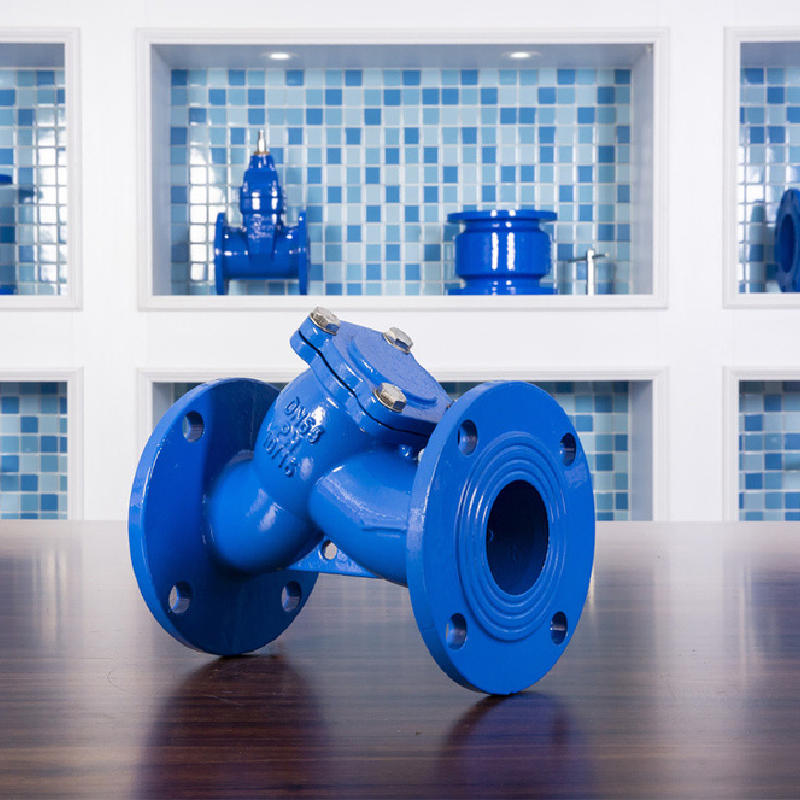
Y Type Strainer Valve for Efficient Fluid Filtration and Flow Control Solutions
Understanding Y-Type Strainer Valves A Comprehensive Overview In the realm of fluid mechanics and pi

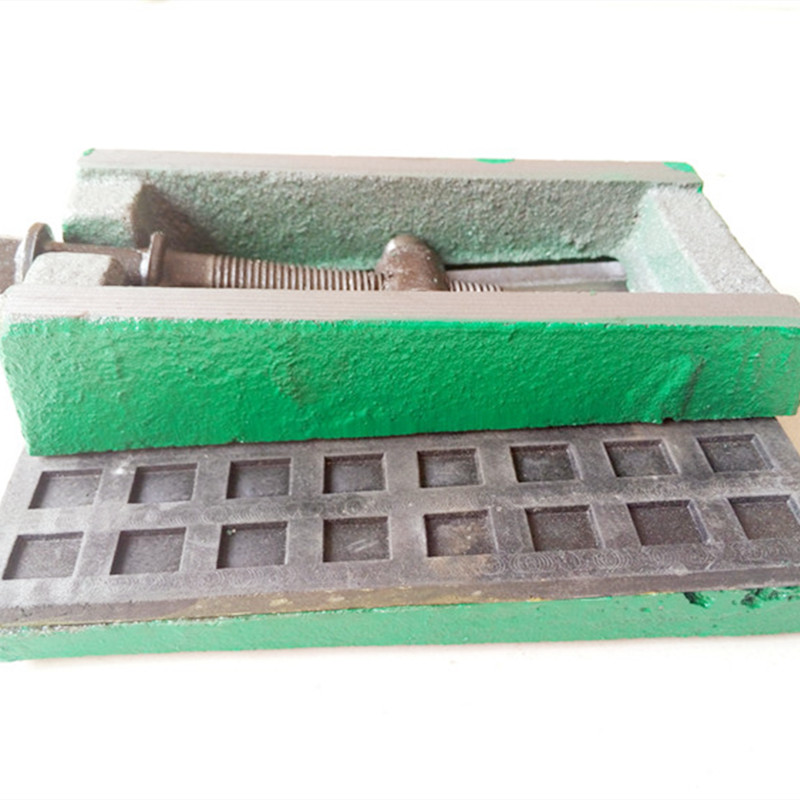
Welding Table Clamps for Enhanced Precision and Stability in Metalworking Projects
The Importance of Welding Table Clamps in Metal Fabrication Welding is a crucial process in the meta

Y Type Strainer Cost Comparison and Market Insights for 2023
Understanding the Price Dynamics of Y Type Strainers Y type strainers are essential components in a
 English